









By CalNews360 Staff
August 20, 2026
California has approved new wildfire-prevention rules that will require many homeowners in high-risk fire areas to make changes to the space immediately surrounding their homes.
Known as “Zone 0,” the new rules focus on the first five feet around a home, where embers can ignite combustible materials and potentially cause a structure fire.
The California Board of Forestry and Fire Protection considered and adopted the final Zone 0 regulations at its August 19 meeting.
For homeowners, the biggest question is simple:
What will I actually have to change around my house?
What is Zone 0?
Zone 0 refers to the area extending from 0 to 5 feet around a structure.
The goal is to create an ember-resistant area immediately next to homes and other structures. California officials are focusing on this area because wildfire embers can travel ahead of the main fire and ignite combustible materials around buildings.
The new regulations are part of California’s broader wildfire-prevention strategy.
What will homeowners have to remove?
For existing homes covered by the rules, the first phase includes removing combustible materials such as:
- Firewood
- Dead leaves and branches
- Mulch and wood chips
- Other combustible debris
- Certain dead or dying vegetation
The rules also address tree maintenance and other potential sources of ignition around homes.
The idea is not simply to make yards look different.
The goal is to reduce the number of materials that could catch fire if burning embers land near a house.
When will homeowners have to comply?
Homeowners will not be required to make every change immediately.
The regulations use a phased approach for existing homes.
The first phase gives property owners time to address combustible materials and vegetation around the structure. A second phase will address additional measures, including the area beneath eaves, combustible gates and certain fencing and outbuilding requirements.
New construction will face the Zone 0 requirements sooner than existing homes.
Does this apply to every California home?
No.
The requirements are aimed at properties in specific wildfire-risk areas, including areas under state responsibility and certain Very High Fire Hazard Severity Zones within local responsibility areas.
California’s Board of Forestry says homeowners in these areas are responsible for maintaining defensible space around their structures.
That means homeowners should check whether their property falls within an area covered by the regulations rather than assuming the rules apply statewide.
Why is California doing this?
Wildfire experts have increasingly focused on embers as one of the ways fires spread into communities.
During major wind-driven fires, burning embers can travel significant distances and land on roofs, vegetation, decks, furniture and other combustible materials.
Creating a more fire-resistant area immediately around a home can reduce the opportunities for those embers to start a fire.
California already requires defensible-space measures in other areas around homes, and Zone 0 adds another layer of protection immediately next to the structure.
What about landscaping?
The new rules do not simply require homeowners to remove every plant within five feet of their homes.
The regulations provide for certain vegetation and landscaping approaches while focusing heavily on reducing combustible materials and creating an ember-resistant area.
Homeowners should therefore review the final requirements that apply to their particular property before removing landscaping or making expensive changes.
Could the rules cost homeowners money?
Potentially.
Some homeowners may need to remove landscaping, replace fencing or make other changes to bring their properties into compliance.
For people living on fixed incomes or those with large properties, the cost could be a significant concern.
California has existing programs aimed at helping certain homeowners with wildfire mitigation and home-hardening projects. The California Wildfire Mitigation Program, for example, provides financial assistance for eligible wildfire-resilience work in certain communities.
Homeowners should check eligibility before paying for major work themselves.
What should homeowners do now?
If you live in a wildfire-prone part of California, don’t wait until the compliance deadlines arrive.
Start by determining whether your property falls within an area covered by the new Zone 0 requirements.
Then:
1. Inspect the first five feet around your home.
Look for firewood, dead vegetation, mulch, debris and other combustible materials.
2. Check your roof and gutters.
Removing accumulated leaves and other debris is already an important wildfire-prevention measure.
3. Review your landscaping.
Don’t remove plants unnecessarily. Instead, determine which vegetation and materials are permitted under the rules that apply to your property.
4. Check fencing and structures.
Some requirements will be phased in later, so homeowners should understand what may eventually need to change.
5. Look for financial assistance.
Eligible homeowners may be able to access wildfire-mitigation programs that can help reduce the cost of making their property safer.
The bottom line
California’s new Zone 0 regulations represent a significant change in how the state approaches wildfire protection around homes.
For affected homeowners, the message is clear: the five feet immediately surrounding a home will become increasingly important in wildfire preparedness.
The rules are being phased in, giving existing homeowners time to make changes.
For now, the best step is to determine whether your property is covered and begin understanding what the new requirements will mean for your home.
Sources: California Board of Forestry and Fire Protection; CAL FIRE; California Office of the State Fire Marshal.
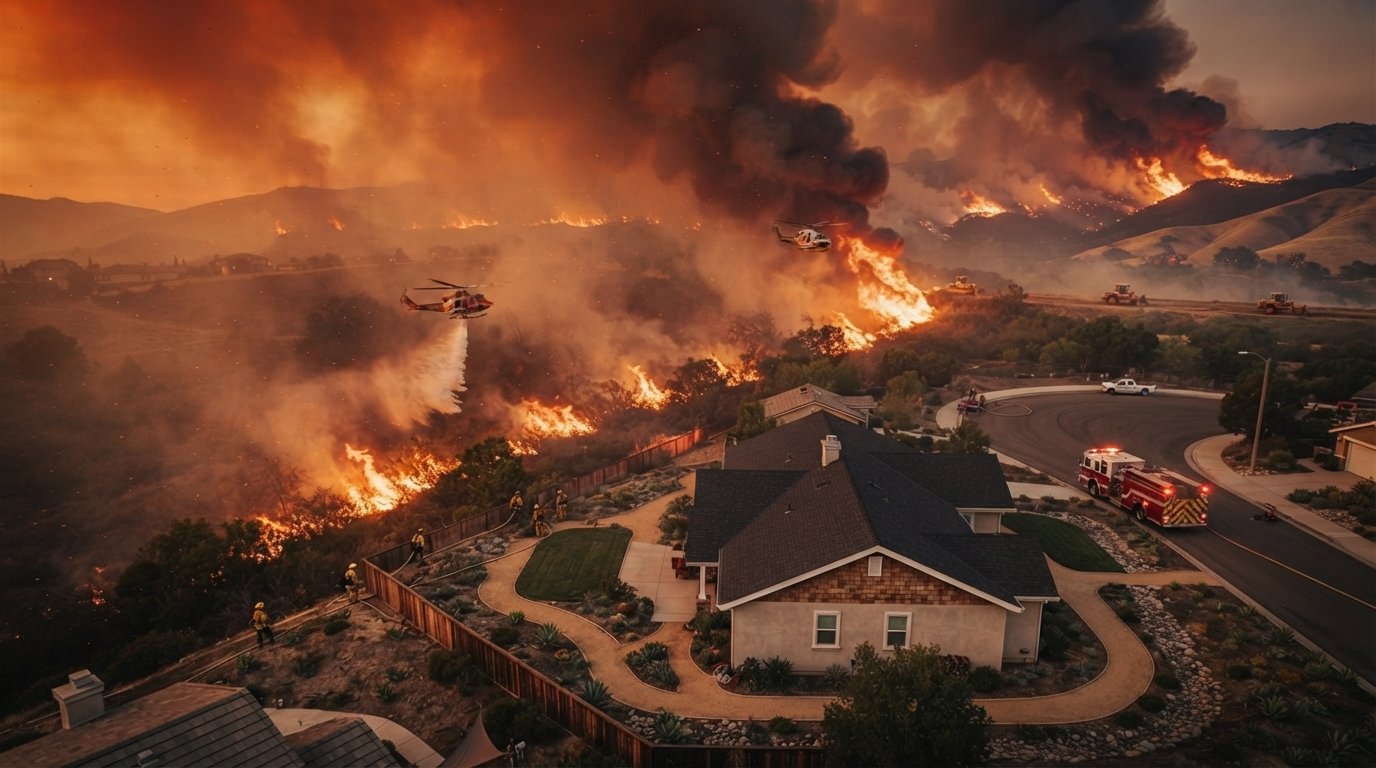
Image note: The image used with this article is AI-generated for illustrative purposes only and does not represent an actual California home, homeowner, wildfire, or inspection.